
Municipal
→
County
→
Circuit
→
State
→
Federal
→
Municipal → County → Circuit → State → Federal →
Running for Office
Thank you for your interest in running for office! Now more than ever, we need leaders who will understand the lived experience of their communities and who will fight for the issues that affect everyday Floridians. It takes bravery and passion to throw your name in the hat, and we are here to support you through the process.
Resources to Get Started
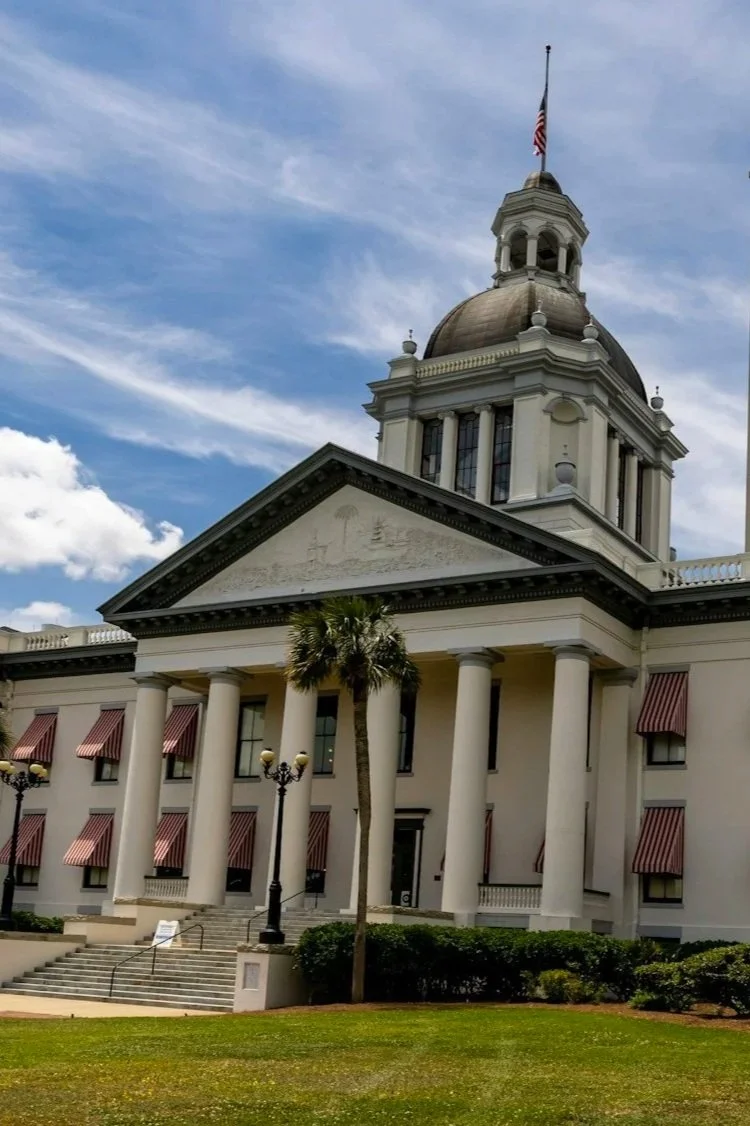
Learn about the different types of elected offices in Florida below:
(Note: This page is only for introductory purposes. This is to be used in conjunction with your Statewide, County or Municipal websites and is not at all exhaustive.)
-
Municipal offices operate at the city or town level and handle services that directly shape daily life. This includes policing, fire protection, zoning, infrastructure, and utilities. Mayors and city council members make decisions at the closest level to residents, often with the most immediate impact.
-
School board members oversee public school districts by setting policy, approving budgets, and hiring or overseeing superintendents. They influence curriculum, student services, and overall district direction. These roles play a central part in how public education is delivered locally.
-
County commissioners govern services that span across cities and unincorporated areas. Their responsibilities include managing budgets, overseeing public health and transportation systems, and guiding housing and economic development. They often serve as the primary governing body for residents outside municipal boundaries.
-
These independently elected offices—such as Sheriff, Tax Collector, Property Appraiser, and Supervisor of Election—perform core government functions established by the state constitution. Operating separately from county commissions, they manage essential services like law enforcement, elections, and public records.
-
The State Attorney prosecutes criminal cases on behalf of the state, determining which charges to pursue. The Public Defender represents individuals who cannot afford legal counsel, ensuring access to defense. Together, they play a central role in how the local criminal legal system functions.
-
Judicial offices include county and circuit judges who interpret and apply the law. They oversee criminal, civil, family, and juvenile cases, ensuring legal processes are followed fairly. Their rulings can have significant and lasting effects on individuals and communities.
-
State legislators, serving in the Florida House and Senate, pass laws that govern the state as a whole. They set the state budget, shape policy across major issue areas, and oversee state agencies. These roles connect local needs to statewide policy-making.